

AC or DC charging, which do you pick?
The key difference in two minutes, with a simple rule of thumb per situation.
Updated:
The difference in one sentence
With AC charging, the vehicle’s onboard charger converts alternating current into direct current. With DC charging, conversion takes place in the charging station. Achievable speed depends on the vehicle, available capacity and charging power.
Rule of thumb: how long does the car stand still?
Consider parking time together with energy demand: divide the required kWh by the available hours to calculate theoretical average power. AC may suit longer stops. Assess DC if AC cannot supply the required energy within the charging window. There is no fixed time threshold that applies to every vehicle.
What that means for your connection
Check the grid connection, simultaneous load, cables and protection. Requirements vary by device and installation. Dynamic load management can limit peaks; a connection upgrade or transformer is not automatically required for every DC project. Have the installer assess this.
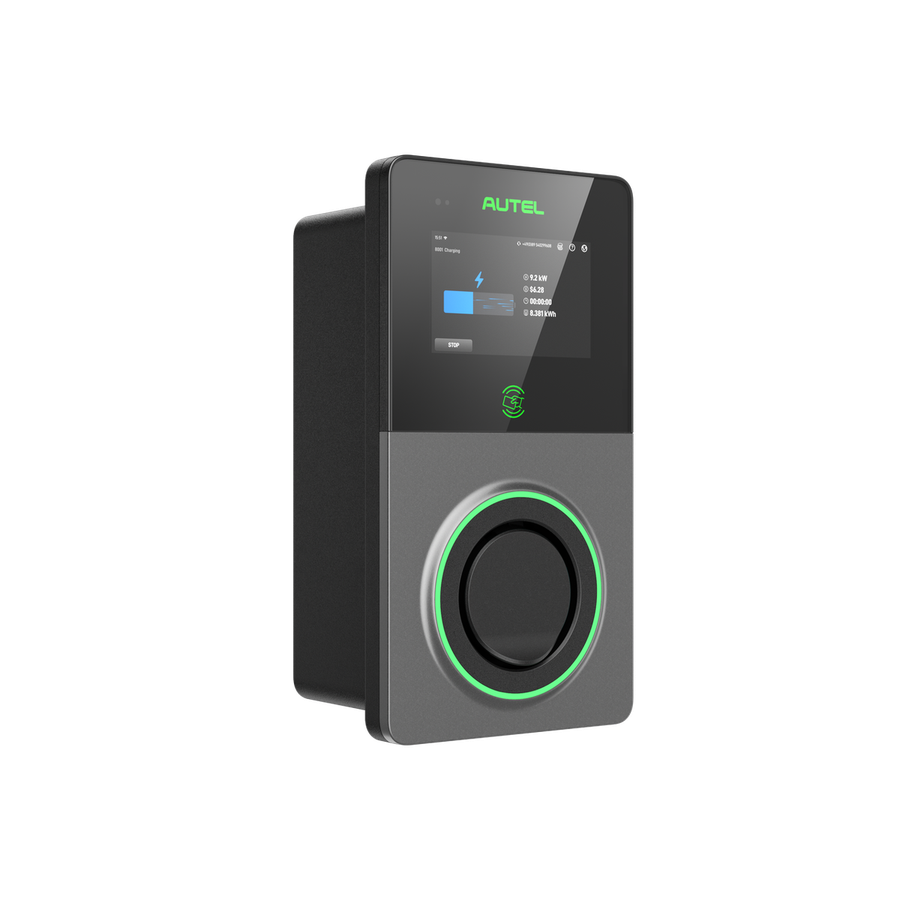
Which Autel units fit
For AC, use the AC Compact, the Single Charger or the AC Ultra with two charge points. For DC, start with the DC Compact 50 kW, against a wall, on a pedestal or mobile on wheels. For high volumes, move to the distributed systems.